Toes in the Sand: How to Shoot Desert Photography
Desert Photography Landscapes
As any seasoned photographer will tell you, when it comes to desert photography, no two types of landscapes are the same. While there are some general principles that apply to all landscape photography, each setting requires its own unique approach and has its own unique challenges. This is particularly true when it comes to photographing desert photography landscapes. Shooting photos in the desert can be so fun and so unique—there is no other type of landscape that delivers the same types of colors as the desert or that has the same unique skylines. However, if you are planning on photographing desert landscapes for the first time, there are a few things you need to be aware of—no matter how experienced you are with general landscape photography. Here are a few important tips that can help you photograph desert landscapes so you can get some truly breathtaking photos you are sure to cherish.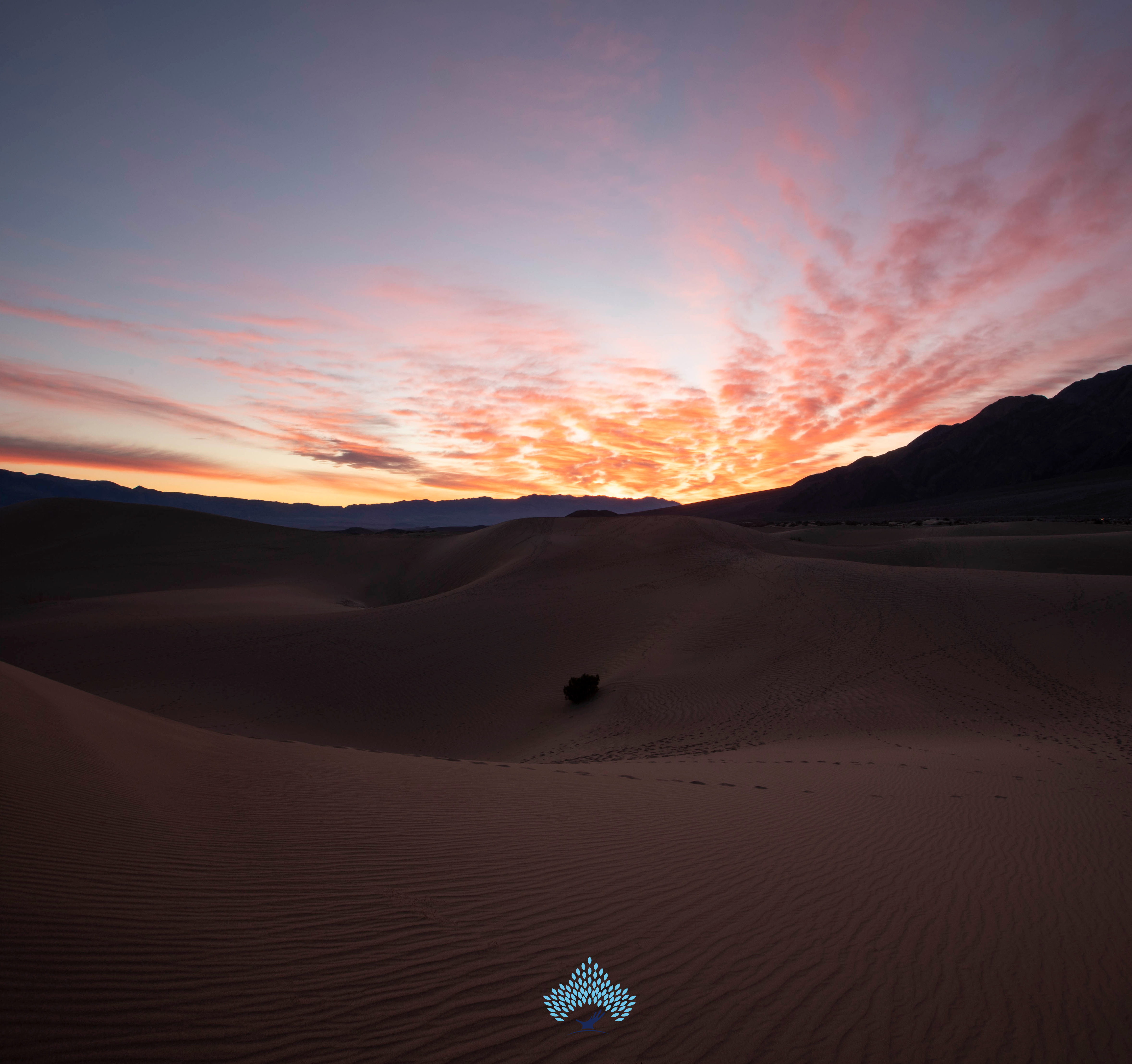
Here’s a shot I captured in the pre-dawn hours of December at the Mesquite Sand Dunes in Death Valley National Park.
Start With the Right Desert Photography Gear
Much like photographing virtually any type of subject, the key to great desert photography starts with having the right gear. Here is the equipment you will need:Tripod
In most situations, you will be using long exposure times when shooting desert landscapes. This is because most desert landscape photography occurs during the evening. Your tripod will help make sure that you can take these photos without camera vibrations or sub sequential blur. When choosing the right tripod for your desert landscape photography, the sturdier the better. Don’t worry as much about having a new, fancy, or lightweight tripod—you need something with some substance. This means that old tripod sitting in your basement will finally come in handy. Your tripod will need to be set up in sand (which is obviously not the most stable ground) and will need to be able to withstand high winds, so you want something with some weight to it. Night Photography Gear Often times the best shots occur after the sun sets. Shooting sunsets that merge into starry nights can provide some beautiful desert photographs. It’s important to bring a flashlight, plenty of water and proper GPS equipment so you don’t get lost. The desert at night (depending on where you are) can be like walking into a dark cave. I myself have had many instances where I couldn’t see 10 feet in front of me because it was so dark. Use the stars to guide you and please… bring a headlamp!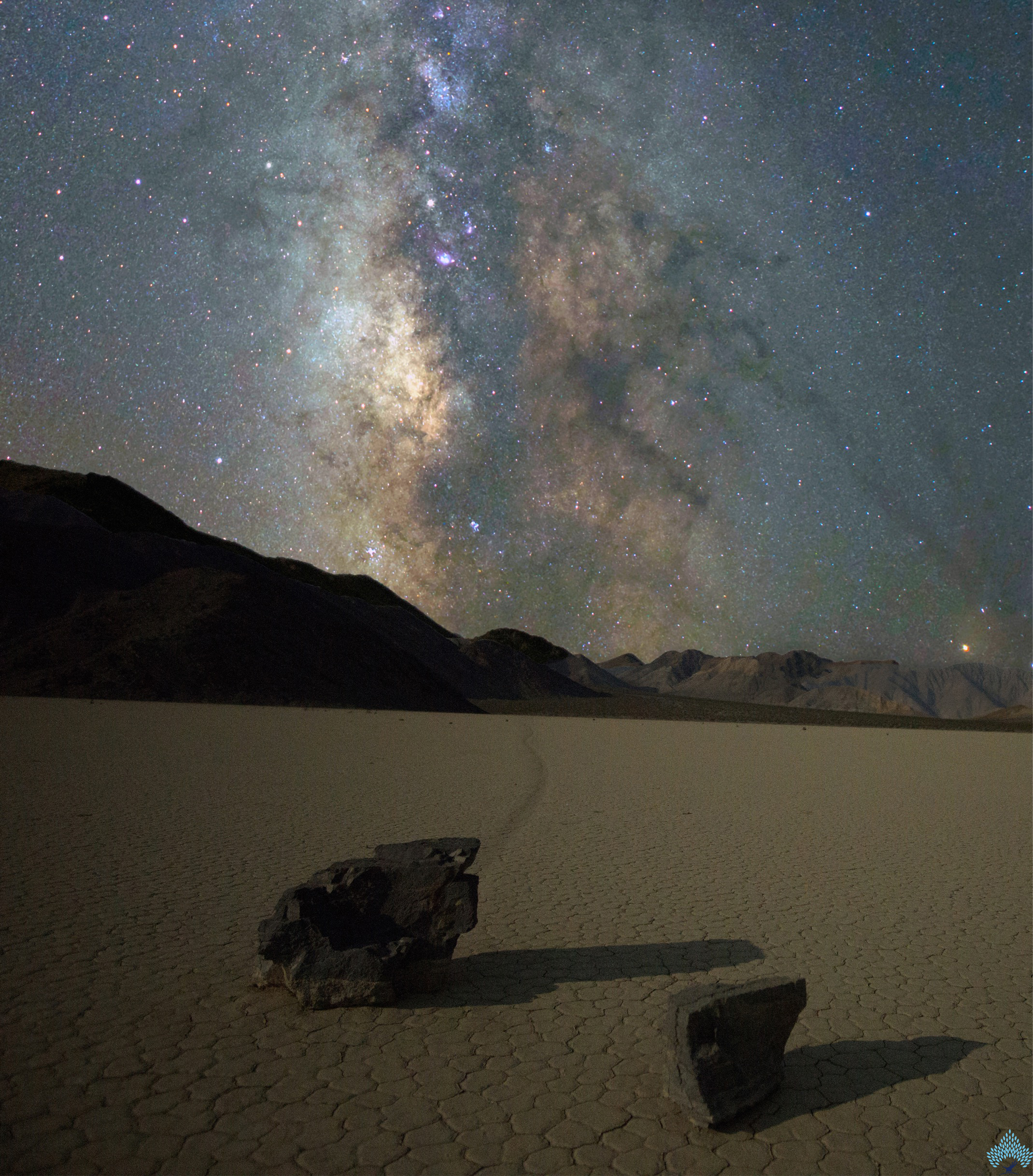
The Sailing Stones: Foregeround Captured by the sony a6000 lens . Sky Captured using a Sky Watcher Tracker
Variety of Lenses
One of the great things about shooting landscapes in the desert, is that there are so many ways to do it. Do you capture the rolling hills in the distance? Do you focus in on cacti in the foreground? With all of these options in mind, you need to make sure you bring a few different lenses—including wide angle and telephoto. You never know what will come your way in the desert, so it is always good to be prepared. Filters are going to be particularly important when it comes to protecting the lenses you bring with you. Make sure to bring a UV filter to protect against that bright desert light and a neutral density filter to help keep that light from being so harsh. Many desert landscape photographers also rely on polarizers to darken light blue skies and to bring some depth to their shots.Protective gear
Shooting in the desert means shooting in the sand—which also means that your expensive equipment is going to be at risk for damage. Sand can scratch lenses, get in the crevices of your camera and really take a toll on your equipment. Make sure you bring a lens cap, plenty of lens cloths and airtight bags for all of your equipment to help keep the sand away the best you can.
Capturing the Right Lighting With Desert Photography
Much like any other type of landscape photography, the right lighting can make or break your entire shot. Most people prefer to shoot desert landscapes in the evening, either at sundown or at night to capture the desert twilight. Sunrises are also a good time for shooting in the desert—as it is another great opportunity to capture those unique desert colors. If you are shooting at sunrise, start right when the sun is coming up to 1 ½ hours after the sunrise. If you are shooting sunset, start 1 ½ hours before sunset.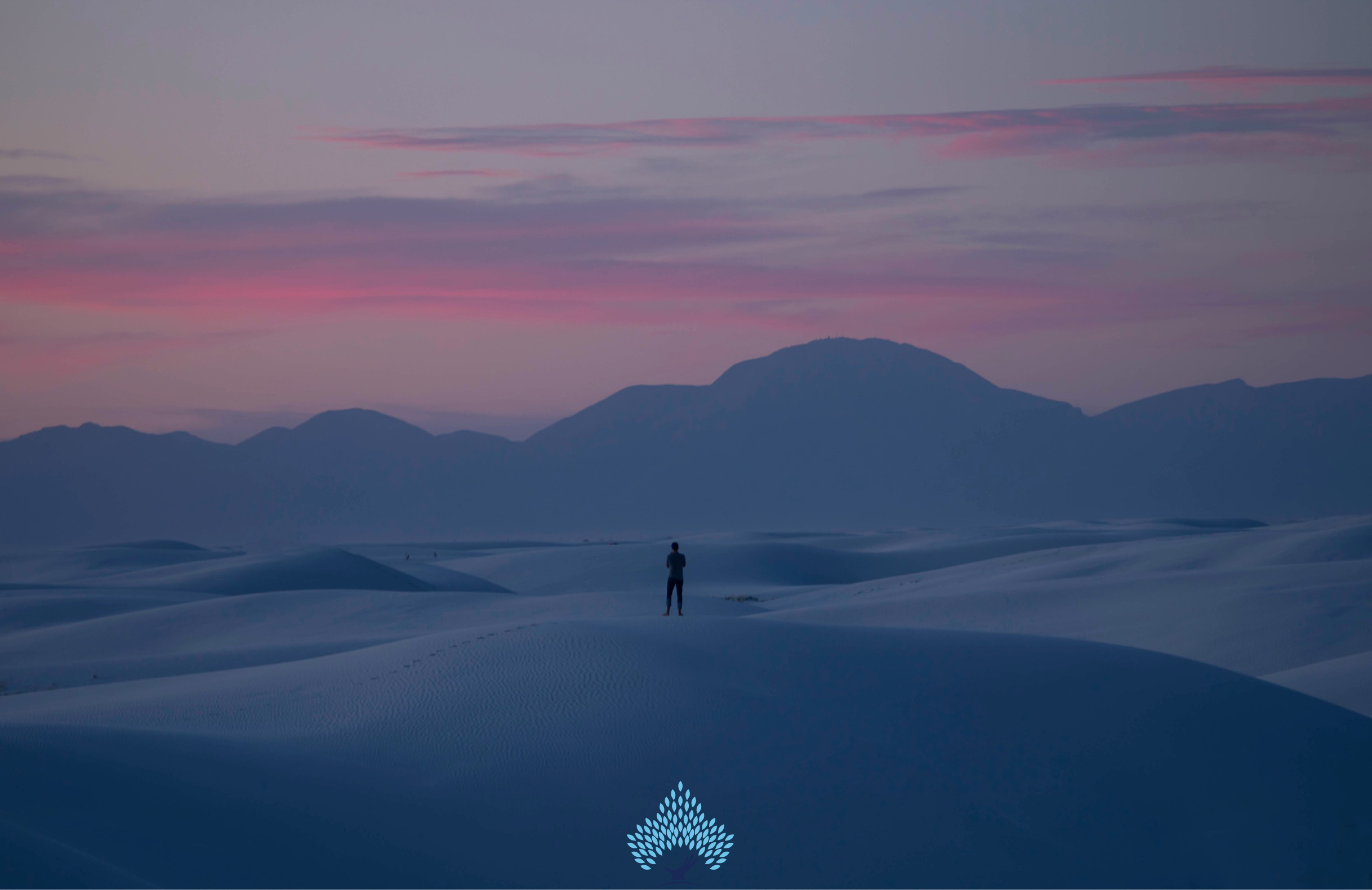
Photo From White Sands National Park Shortly after Sunset. Shot using a canon 5dmk4 at 100mm f14 at 2 seconds
Don’t Forget to Capture the Sky
This may seem rather obvious, but it is a common mistake that many people make when shooting desert photography landscapes. Since there is nothing in the desert really but sand and rocks—you need to make sure that you really capture the sky. There is nothing to distract or clutter the shot, you need to make sure you place a lot of focus on the sky.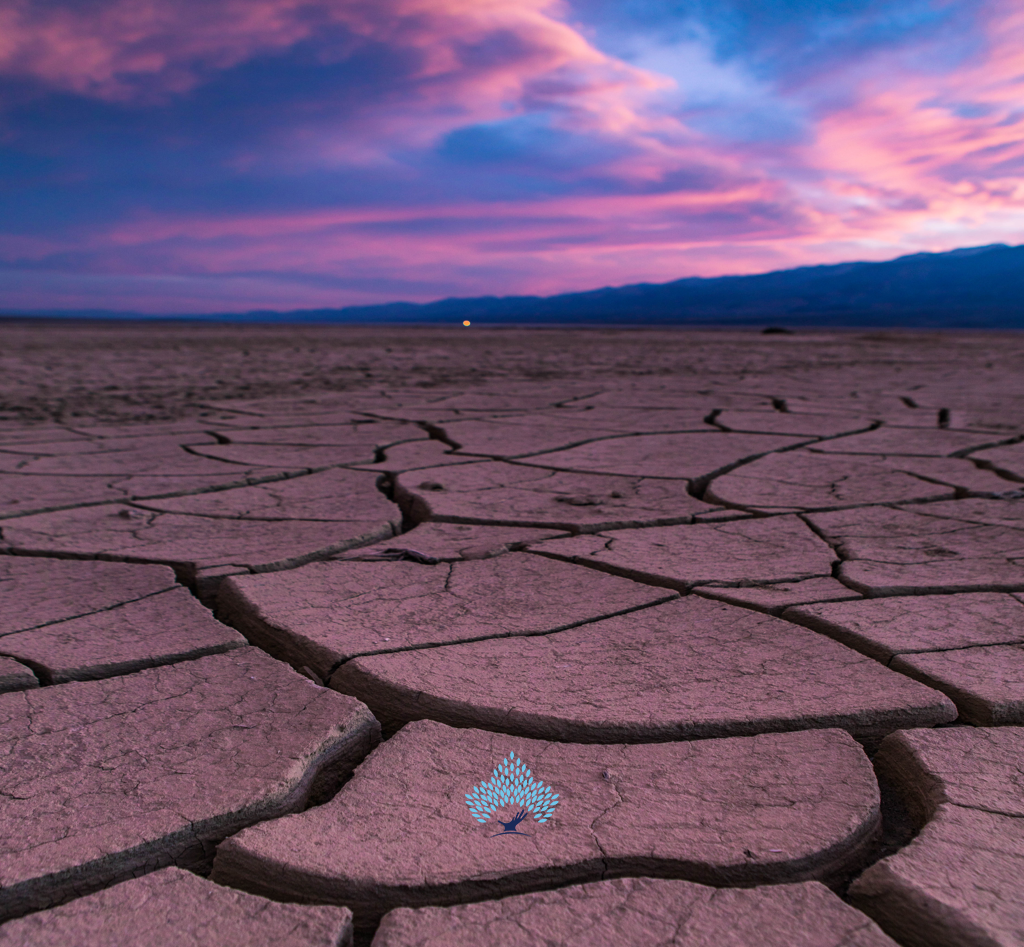
Cloudy Sunsets can add a stunning mood to your photos.
Tips on Desert Photography Composition
Composition can be really difficult when it comes to shooting desert landscapes, while many people will try to use a wide-angle lens. However, many times, this fails to capture the depth and beauty of the deserts and can even make the biggest and most majestic sand dunes, seem like modest bumps. If you are shooting with a wide-angled lens, don’t forget about the rule of thirds. Try to find some sort of point of interest in the foreground or the sky—even if it is just a plant or a pattern in the sand. This can help you desert landscape have some visual interest and help give you a sense of scale.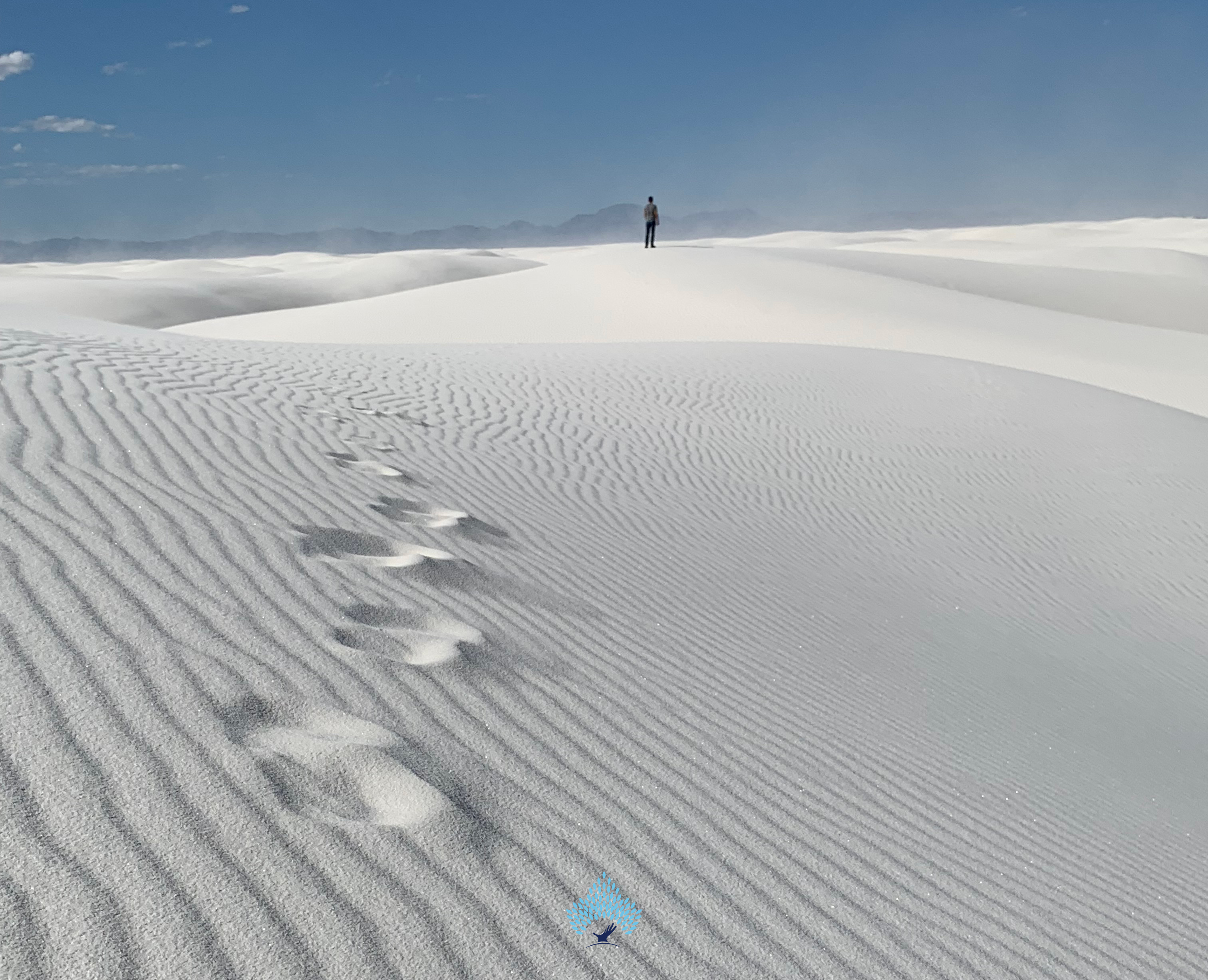
Capturing foreground and leading lines that end with a subject can create some great depth
Go to Higher Elevations
Making desert landscapes look interesting and unique can be a challenge, so if you find that your desert landscapes are looking a little commonplace—go to a higher ground. This is a great trick to making your desert landscapes really pop. Hills and mountains are common in the desert and even the smallest change in elevation can really change the way your scene looks. Fortunately, there are always plenty of hills, rocks, and elevated surfaces in the desert that can help you find the unique camera angles you are looking for.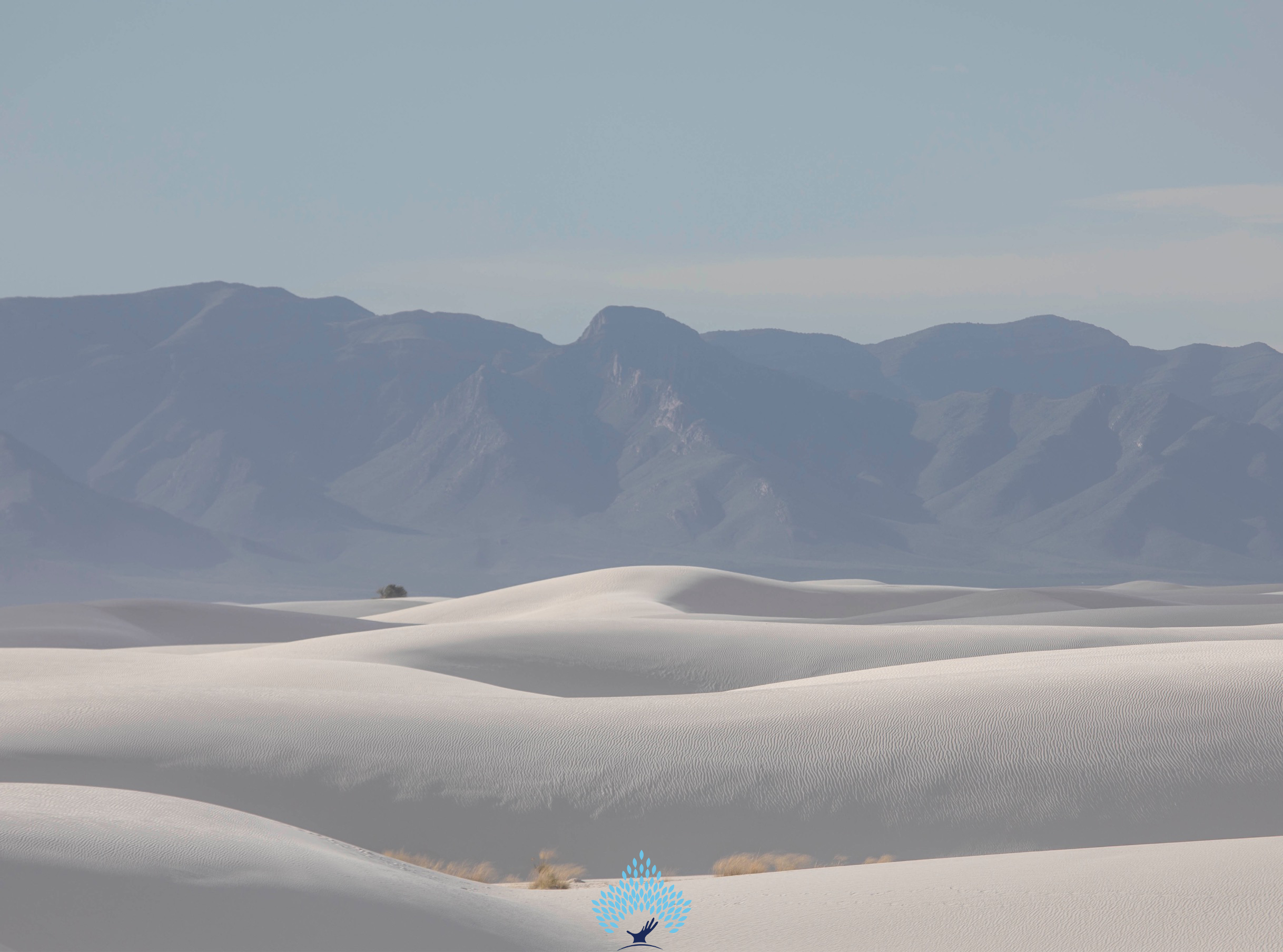
This was captured atop a sand dune using a 400mm lens
Pay Attention to Lines, Patterns and Textures
One of the most interesting things about deserts are all of the lines, patterns and textures in the desert. Think outside the box when shooting desert landscapes and instead of focusing on the big picture (and risking having your landscape look too monotonous) look at all of the lines, patterns and textures that appear in desert landscapes.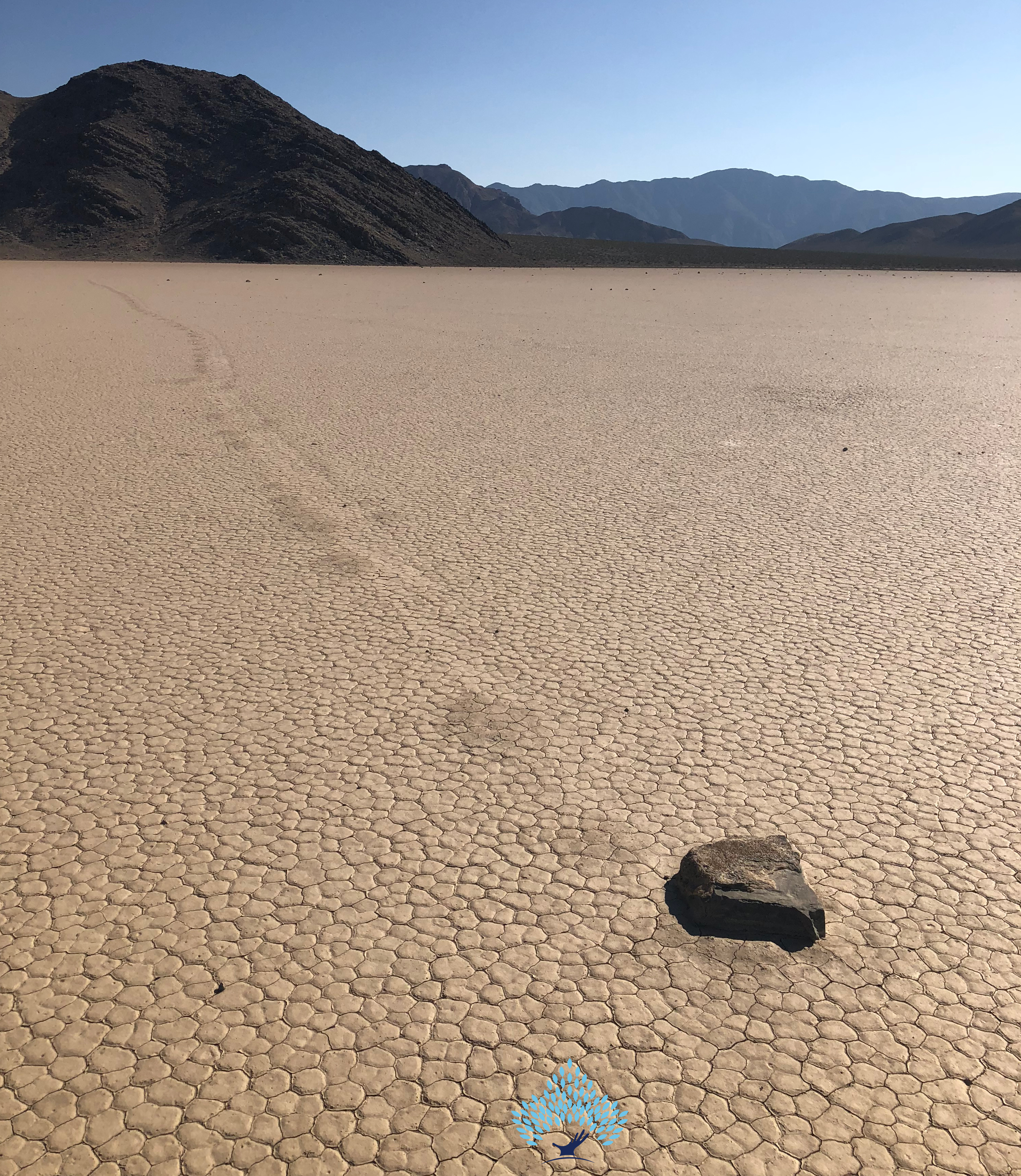
Going low can help you capture some unique textures when shooting desert photography


Los Angeles-based marketer and landscape photographer with 10+ years helping brands grow through SEO, content, and social media. Passionate about photography, travel, and inspiring others to explore the world through a lens.

Denis
Incredible- I swear I read most of it but watching Conan and drinking whisky for friends bday on his couch and feel too rude to read the whole thing. Definitely official af! Bravo brutha
dhavalilama
Thanks man! Let me know what you think and would be glad to write on any topic 🙂